5 Best Places to Live in Pinellas County (2026)
Where to live in Pinellas County depends on your lifestyle, budget, commute, and preferred coastal setting. St. Petersburg offers culture and walkability, Clearwater delivers beach access and convenience, while Palm Harbor provides a quieter, family-friendly atmosphere. Comparing these communities helps you choose the best fit before buying.
What should you consider before choosing where to live in Pinellas County?
Start with the way you expect to use your home. A buyer who wants restaurants, museums, and an active downtown may feel at home in St. Petersburg. Someone prioritizing beach days and easy access to attractions may prefer Clearwater. A household seeking more space, parks, and a residential pace may find Palm Harbor a better match.
Before choosing a neighborhood, compare:
- Commute times to work, schools, airports, and major roads
- Home prices, property taxes, insurance, and flood-related costs
- Access to beaches, parks, restaurants, shopping, and healthcare
- Housing style, lot size, maintenance needs, and community character
- Future plans, including resale, downsizing, or accommodating family
Pinellas County is compact, but travel times can change considerably with bridges, seasonal traffic, and tourism. Touring homes at different times of day can reveal details that online listings cannot.
Why do people choose St. Petersburg?
St. Petersburg, often called St. Pete, is a strong choice for buyers who want an energetic city with a coastal feel. Its downtown includes restaurants, galleries, museums, parks, events, and waterfront trails. The city also offers distinct neighborhoods, from historic bungalow areas to newer condominium communities.
Best for urban-minded and active buyers
St. Petersburg may suit you if you value:
- Walkable pockets with dining, arts, and entertainment
- Waterfront parks and outdoor recreation
- Historic homes with distinctive architecture
- Condos and townhomes near downtown amenities
- A lively social and cultural calendar
Neighborhood character varies widely. Downtown living can provide convenience but may mean smaller spaces, parking considerations, and condo association fees. Historic districts can offer charm and mature landscaping, while areas farther from downtown may provide larger homes and quieter streets.
Buyers should review flood zones, elevation, wind mitigation features, roof age, and insurance availability for every property. A beautiful coastal location is most enjoyable when the full ownership cost fits your budget.
Is Clearwater a good place to live?
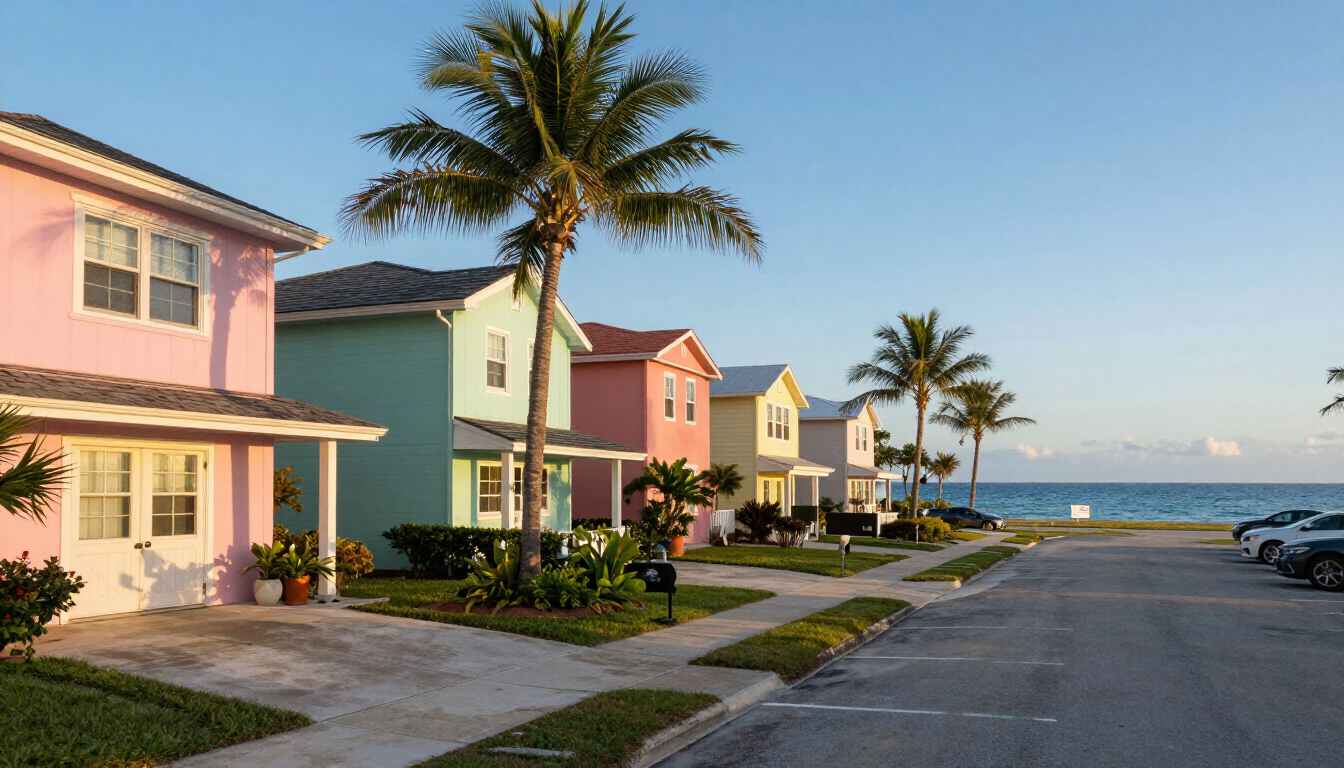
Clearwater is a popular option for buyers who want access to one of Florida’s best-known beaches while remaining close to shopping, healthcare, restaurants, and employment centers. Clearwater Beach has a resort atmosphere, while mainland neighborhoods offer a more residential lifestyle.
Best for beach access and convenience
Clearwater may be a good fit if you want:
- Proximity to Clearwater Beach and the Gulf of Mexico
- A mix of condos, townhomes, and single-family homes
- Convenient access to major roads and services
- Established neighborhoods with varied price points
- A location that works well for full-time living or a second home
The beach area can be highly active during holidays and peak travel periods. Buyers who prefer a quieter daily routine may want to compare mainland communities such as Clearwater, Safety Harbor, or nearby sections of Largo.
When evaluating a Clearwater property, look beyond the listing price. Check flood insurance requirements, parking, rental restrictions, building reserves, and any recent or planned assessments. Condo documents are especially important when purchasing near the water.
What makes Palm Harbor a popular choice?
Palm Harbor is known for a relaxed, suburban atmosphere with access to parks, golf, schools, shopping, and the Gulf beaches. It often appeals to families, professionals, and buyers who want more living space without giving up access to coastal amenities.
Best for families and a quieter lifestyle
Palm Harbor may align with your priorities if you are looking for:
- Residential neighborhoods and larger floor plans
- Parks, trails, recreation, and community events
- Convenient access to Dunedin, Tarpon Springs, and Clearwater
- A balance between suburban comfort and coastal activities
- Homes suitable for families, remote work, or long-term living
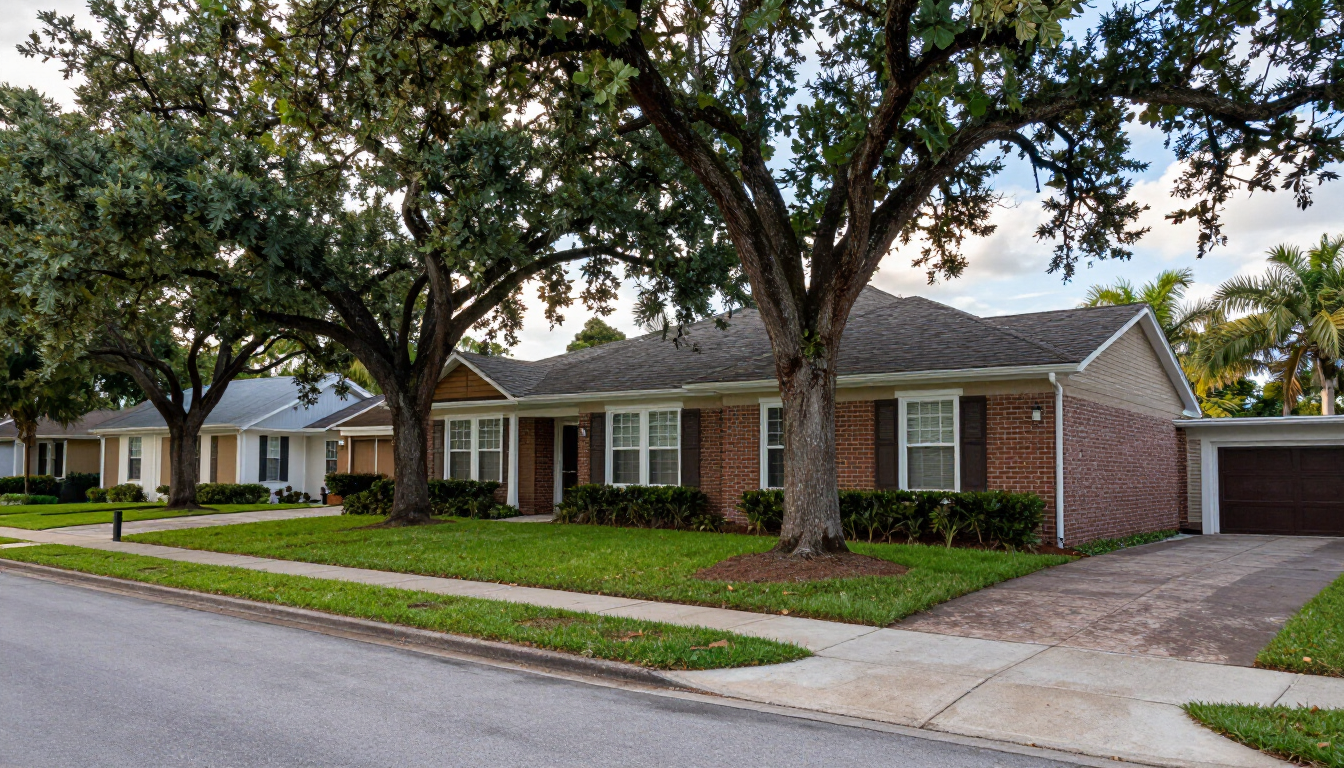
Palm Harbor includes many different housing experiences. Some neighborhoods feature established homes and mature trees, while others offer newer construction, planned amenities, or maintenance-friendly options. Buyers should compare school assignments, community fees, flood exposure, and renovation needs from one area to another.
If you are relocating, use the Find a Home page to begin exploring available options. An experienced local professional can also help you distinguish between a neighborhood that looks appealing online and one that truly matches your day-to-day needs.
How do St. Petersburg, Clearwater, and Palm Harbor compare?
Each community offers a different version of Pinellas County living:
| Community | Lifestyle | Housing considerations | Best fit | |---|---|---|---| | St. Petersburg | Urban, cultural, active, waterfront-oriented | Condos, historic homes, townhomes, varied neighborhoods | Buyers who value culture and walkability | | Clearwater | Beach-oriented, convenient, established | Condos, townhomes, single-family homes, coastal properties | Buyers prioritizing beaches and services | | Palm Harbor | Suburban, relaxed, family-friendly | Larger homes, established neighborhoods, planned communities | Buyers seeking space and a quieter pace |
These descriptions are useful starting points, not rules. St. Petersburg has quiet residential neighborhoods, Clearwater has inland communities, and Palm Harbor includes both established and newer housing options. Your ideal location may also be in a nearby community such as Dunedin, Safety Harbor, Largo, or Tarpon Springs.
Which Pinellas County location is best for families?
Families should compare more than school ratings or bedroom counts. Look at the complete routine: school travel, childcare, parks, grocery stores, pediatric care, commute time, and opportunities for activities. Palm Harbor is frequently attractive to families because of its residential character and access to recreation, but parts of Clearwater and St. Petersburg can also offer excellent family lifestyles.
Ask these practical questions during your search:
- How long will the school and work commute take during normal traffic?
- Is the home in a flood zone, and what insurance coverage is required?
- Are there HOA rules, fees, rental limits, or upcoming assessments?
- Does the floor plan support remote work, guests, or future accessibility needs?
- What will maintenance cost for the roof, pool, yard, and coastal systems?
For tailored guidance, review available services or connect through Contact Us . A local agent can help you compare neighborhoods using current listings and your actual priorities.
What should buyers know about coastal costs?
Coastal living can bring costs that are not obvious from the purchase price. Insurance premiums may reflect wind, flood, roof age, construction type, elevation, and claims history. Buyers should obtain insurance estimates early, inspect the roof and HVAC system, and understand whether flood insurance is separate from a standard homeowners policy.
Also budget for:
- HOA or condominium fees and possible special assessments
- Pool, seawall, landscaping, and exterior maintenance
- Storm preparation and tree care
- Flood-zone requirements and lender conditions
- Higher utility or repair costs for older homes
A thorough inspection and insurance review can prevent surprises after closing. Your agent, lender, insurance professional, and inspector each provide a different part of the decision-making process.
A practical way to choose your Pinellas County community
Use a simple comparison process rather than trying to select a city from a single list:
- Define your non-negotiables, such as commute, schools, beach access, or a one-story layout.
- Choose two or three communities that meet those priorities.
- Compare active listings, recent sales, taxes, insurance, and association costs.
- Visit neighborhoods on weekdays, evenings, and weekends.
- Reassess the choice after reviewing inspections, disclosures, and monthly ownership costs.
Sellers can use the same neighborhood knowledge to position a property effectively. If you are preparing to sell, learn more about List With Me and how a targeted marketing strategy can present your home to the right buyers.

Frequently asked questions about where to live in Pinellas County
Is St. Petersburg or Clearwater better for living?
Neither is universally better. St. Petersburg is often a stronger match for culture, downtown amenities, and an active urban lifestyle. Clearwater may be better for buyers who prioritize beach access, convenience, and a broad range of established neighborhoods.
Is Palm Harbor expensive to live in?
Costs vary by neighborhood, home size, age, insurance profile, and amenities. Palm Harbor can offer a range of housing options, but buyers should compare the complete monthly cost rather than relying on listing price alone.
Where is the best place to live near Clearwater Beach?
Clearwater Beach provides the closest beach lifestyle, while mainland Clearwater, Belleair, Largo, and nearby communities may offer different combinations of space, access, parking, and cost. The right choice depends on how often you want to be at the beach and how much resort activity you prefer.
Should I work with a local Pinellas County Realtor®?
Local expertise can help you compare flood exposure, neighborhood differences, insurance considerations, pricing, and resale potential. It is particularly valuable when you are relocating or deciding between coastal and inland properties.
Your next step
The best place to live in Pinellas County is the community that fits your everyday routine and long-term plans. Choose St. Petersburg for culture and energy, Clearwater for beach access and convenience, or Palm Harbor for a more relaxed, family-friendly setting. Then compare specific neighborhoods, ownership costs, insurance, and commute times before making a decision. Start by listing your priorities, touring a few areas, and reviewing current homes with a local expert. Explore the IDX listings or reach out through Contact Us to make your search more focused.